
4 min read
How 3D knit shaping actually works
Raised zones knitted into the fabric, and why that is different from a tighter pair.
Two ways to shape a legging
The common route is cut and sew. You take panels of a firmer fabric, shape them on the pattern, and join them to the softer body of the legging with seams. It works, and it is why so many shaping leggings have a seam running around the seat.
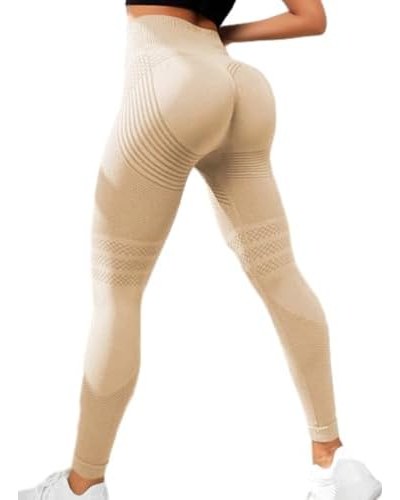
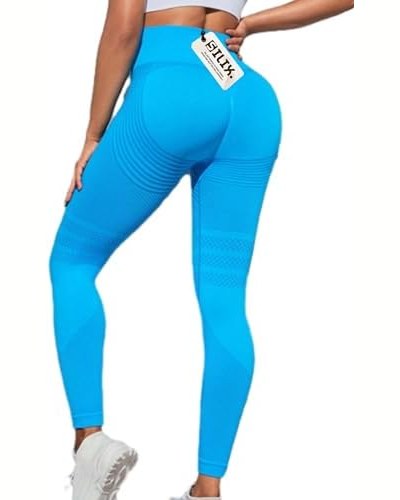
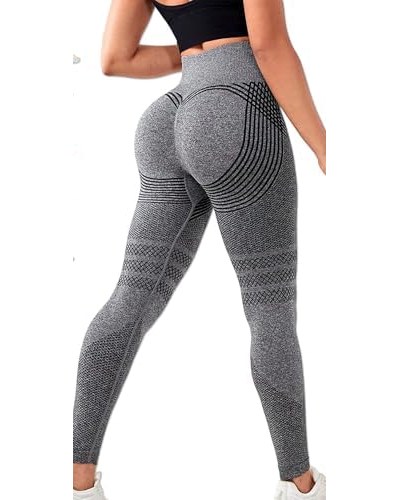
The other route is to change the knit itself. Same yarn, same machine, different structure: in some zones the loops are knitted tighter and stacked so they stand proud of the surface. Those zones behave like a firmer fabric, but there is no join, because nothing was cut.
What you feel with a thumb
Run a hand down the outside of the thigh on one of ours and the texture changes under your fingers. That ridge is the shaping. It pulls the surrounding knit in along the line it follows, which reads on the leg as a longer, cleaner shape.
It is worth being plain about what this is: a fabric effect. The panels change how the garment sits and how light falls on it. They are not doing anything to you underneath, and they stop working the moment the leggings come off.
Why it lets you keep your size
A cut-and-sew shaping panel gets its firmness partly from being smaller than the body it covers. A knitted zone gets it from structure, so the garment can be graded normally and still hold its shape. That is why we tell people to order their usual size instead of dropping one for a firmer read.
The short version
- The shaping is knitted, not sewn: no seam around the seat to sit on.
- Raised zones are denser loops of the same yarn, not a second fabric.
- The effect is on the garment, not on you, and it ends when you take them off.
- Order your usual size: firmness comes from structure, not from a smaller pair.
More fit notes
Why a high waistband rolls, and what stops it
The three ways a band gives up on you, and which one is a design fault.
4 min readSquat proof: what the phrase is actually promising
Opacity is a fabric weight question. Here is how to test a pair in ten seconds.
3 min readLeggings or shorts: choosing the length
Same knit, same band, two different jobs. What each length is good at.
3 min read