
3 min read
Squat proof: what the phrase is actually promising
Opacity is a fabric weight question. Here is how to test a pair in ten seconds.
Every knit thins when you stretch it
Pull any jersey between your hands and hold it to a window. The light comes through, because the same amount of yarn is now covering more area. In leggings, the place where that matters is the seat and the back of the thigh at the bottom of a squat, where the fabric is stretched hardest.
So squat proof is not a coating or a lining. It means the fabric started heavy enough that even at full stretch it is still opaque.
The ten second test
Put the leggings on, stand in front of a mirror, and go down into a deep squat with your back to it. Look over your shoulder. If the color goes pale across the seat, the fabric has run out of yarn. Do it in daylight, not under a bathroom bulb, and do it in the color you actually wear, because pale shades show it first.
Why light colors are the hard case
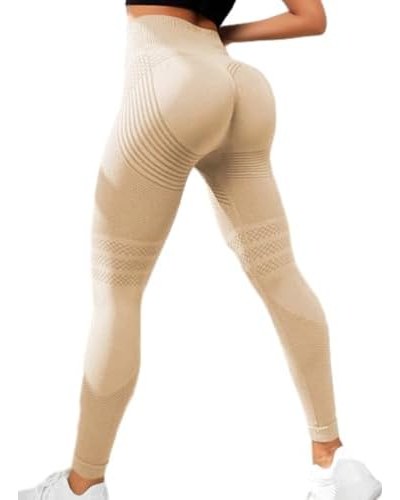
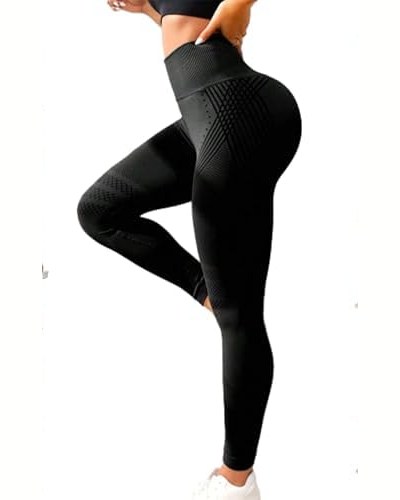
A black legging can be thin and still look solid. An apricot or a light gray has nowhere to hide. If you want to know how heavy a knit really is, buy the light colorway and squat in front of a window.
The short version
- Opacity comes from fabric weight, not from a lining.
- Test in daylight, in a deep squat, with your back to the mirror.
- Light colorways expose thin knit first; black hides it.
- A pale patch across the seat means the pair is done, not that you sized wrong.
More fit notes
How 3D knit shaping actually works
Raised zones knitted into the fabric, and why that is different from a tighter pair.
4 min readWhy a high waistband rolls, and what stops it
The three ways a band gives up on you, and which one is a design fault.
4 min readLeggings or shorts: choosing the length
Same knit, same band, two different jobs. What each length is good at.
3 min read